Zero Emissions Vehicles Ireland
The future is electric
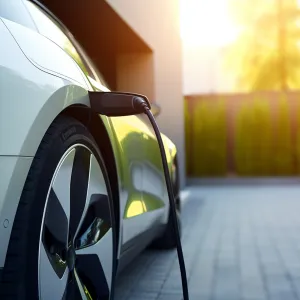
Electric vehicles have emerged as an integral part of efforts to reduce carbon emissions in the transportation sector.

Established in July 2022 within the Department of Transport, ZEVI is the dedicated government office leading Ireland's transition to electric and zero-emission vehicles. ZEVI coordinates the National EV Charging Network Plan, aligning local delivery with national climate targets and the EU Alternative Fuels Infrastructure Regulation (AFIR). Core functions of ZEVI’s infrastructure delivery role transitioned to Transport Infrastructure Ireland in March 2026.


Investing in Ireland's Electric Vehicle Future


Frequently asked questions
Discover the grants and supports available to help make the transition to electric easier. From purchasing an EV to installing charging infrastructure, ZEVI offers a range of schemes for drivers, businesses and communities across Ireland
Private buyers can receive up to €3,500 towards a new battery electric vehicle, helping to make the switch to electric more affordable.
Learn More about the Vehicle Grant Scheme
Yes. The ICE2EV scheme offers additional support when you scrap an eligible older vehicle and purchase a new battery electric vehicle.
Learn more about the ICE2EV scheme
Yes. The Electric Vehicle Home Charger Grant provides up to €300 towards the purchase and installation of a home EV charger.
Learn more about the Home Charger Scheme.
Yes. The Apartment Charging Grant supports the installation of shared EV charging infrastructure in apartments and multi-unit developments.
Learn more about Apartment Charging Grant
Yes. Grants are available to support he purchase of eligible zero emission heavy duty vehicles and infrastructure, helping businesses transition their fleets to cleaner transport.
Learn more about the Zero Emission Grants
Our Journey to Zero Emissions
-
January 2011
-
January 2018
-
February 2018
-
Zero Emission Vehicles Ireland is officially launched
 July 2022
 -
July 2022
-
February 2024
-
February 2024
-
October 2024
-
November 2024
-
February 2025
-
February 2025
-
April 2025
-
July 2025
-
October 2025
-
June 2026


